


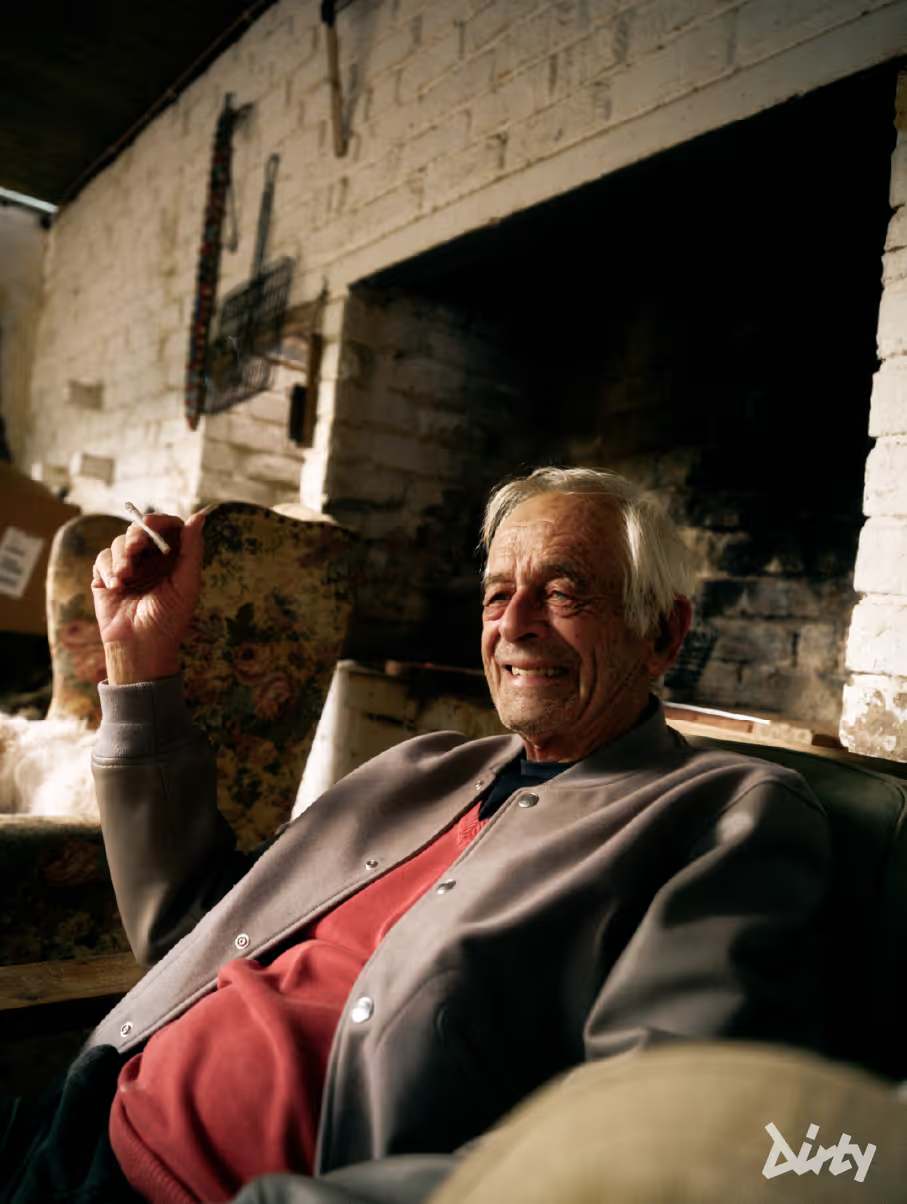
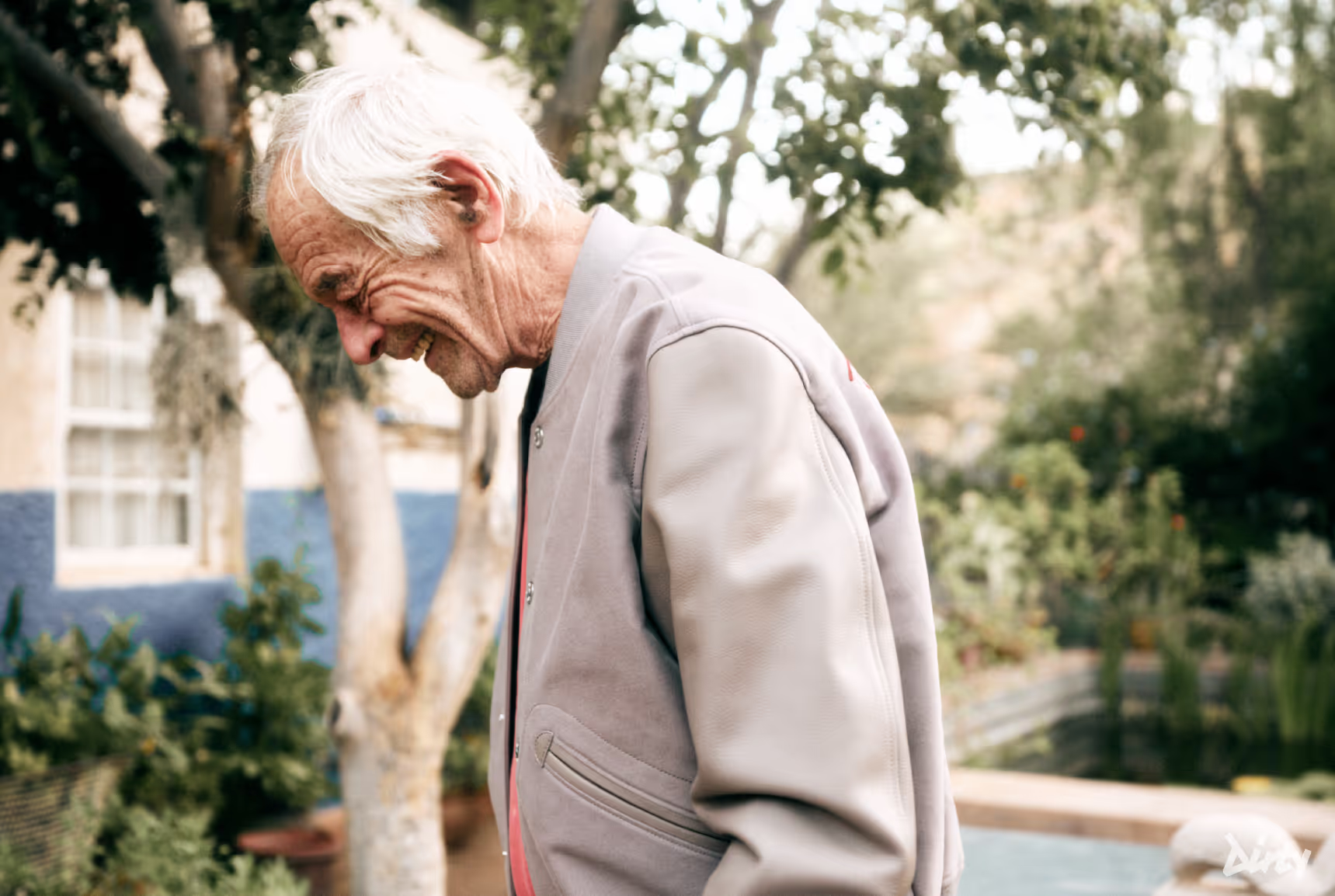
<h1 class="left">In the quiet town of Calitzdorp, tucked deep in the Karoo, lives Hylton Nel. At 83, he moves slowly. His days unfold without the buzz of notifications or the pull of schedules. His routine starts with “getting up slowly in the morning,” he says. “I am old now, so I work very slowly.” There is something tender in the way he says it, because slowness is not a limitation but a choice he has earned.</h1>
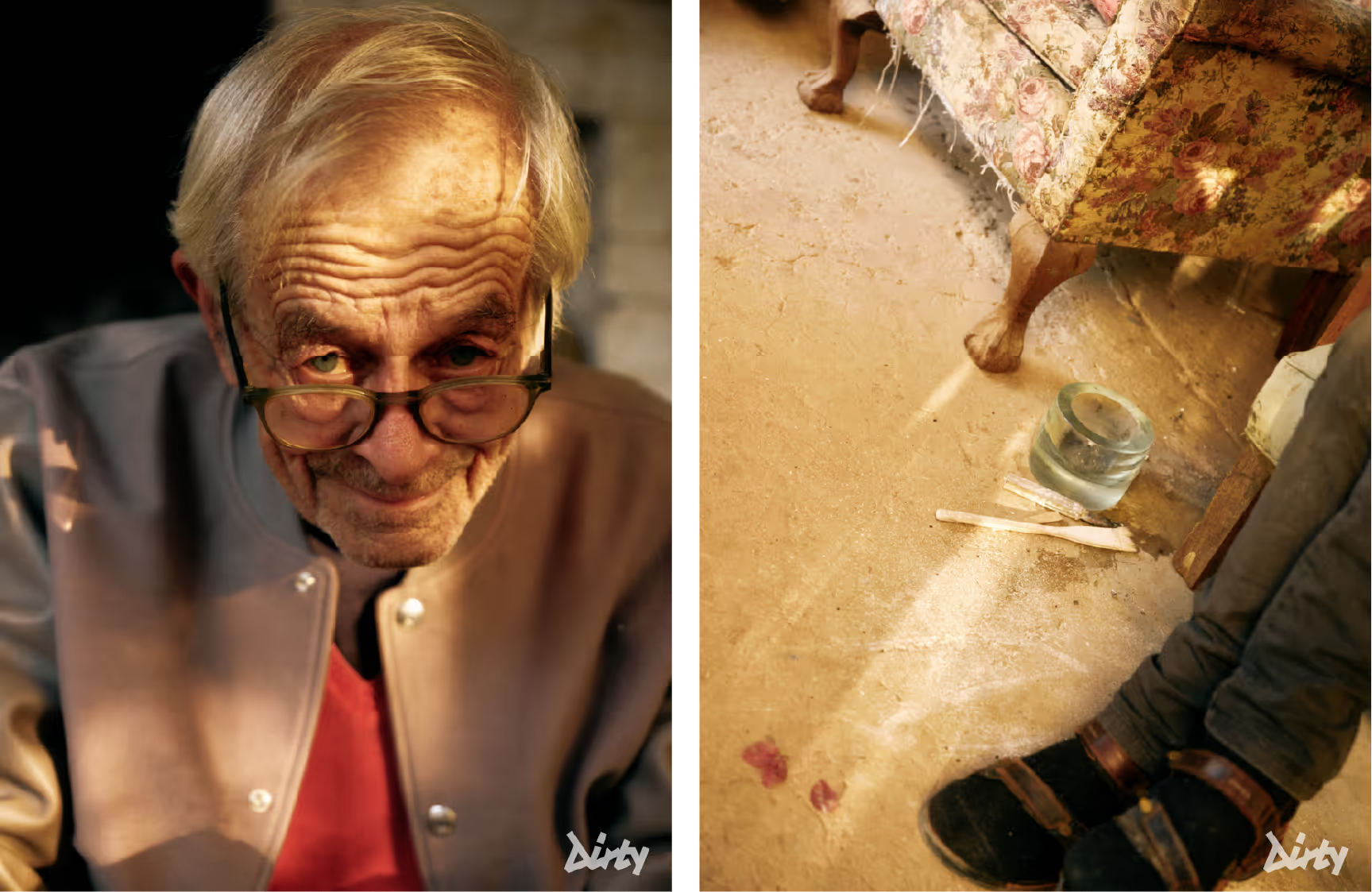
<h1 class="left">The interview arrives on paper. Hylton does not use WhatsApp. He does not email. His neighbour sat with him, read the questions aloud and recorded his voice. The gesture feels almost old world, intimate, like a reminder that some conversations deserve to be held rather than typed. Already, it feels like a metaphor for the man himself, analogue, unhurried, thoughtful.</h1>
<h1 class="centre">His quiet world has always been its own kind of universe, but in 2024 it met the global stage. Kim Jones invited him into the house of Dior Men for the Spring Summer 2025 show in Paris. His signature cat figures were transformed into monumental sculptures that shaped the entire set, rising around the runway like guardians from his imagination. Motifs from his plates—cats, dogs, delicate scribbles—slipped into knitwear, brooches and accessory details. Jones spoke of visiting Hylton in Calitzdorp, of being moved by the vast Karoo sky and the layered intimacy of his home. That feeling made its way onto the Paris runway, quietly and unmistakably.</h1>
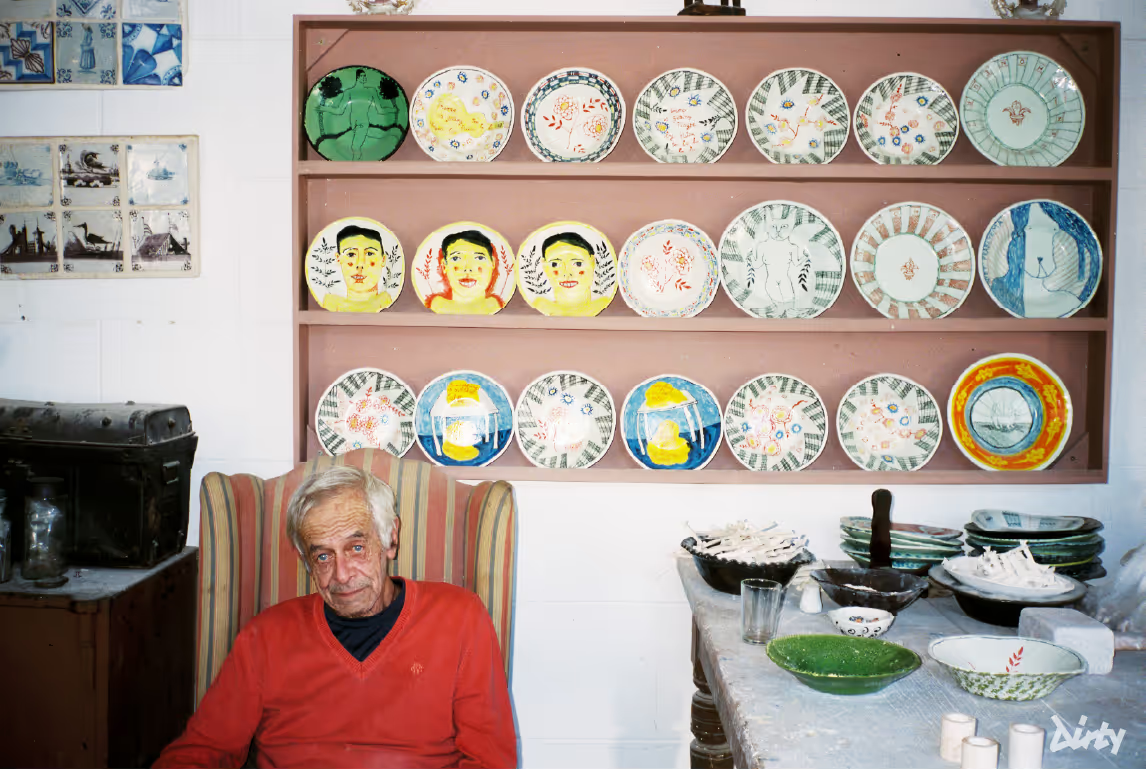
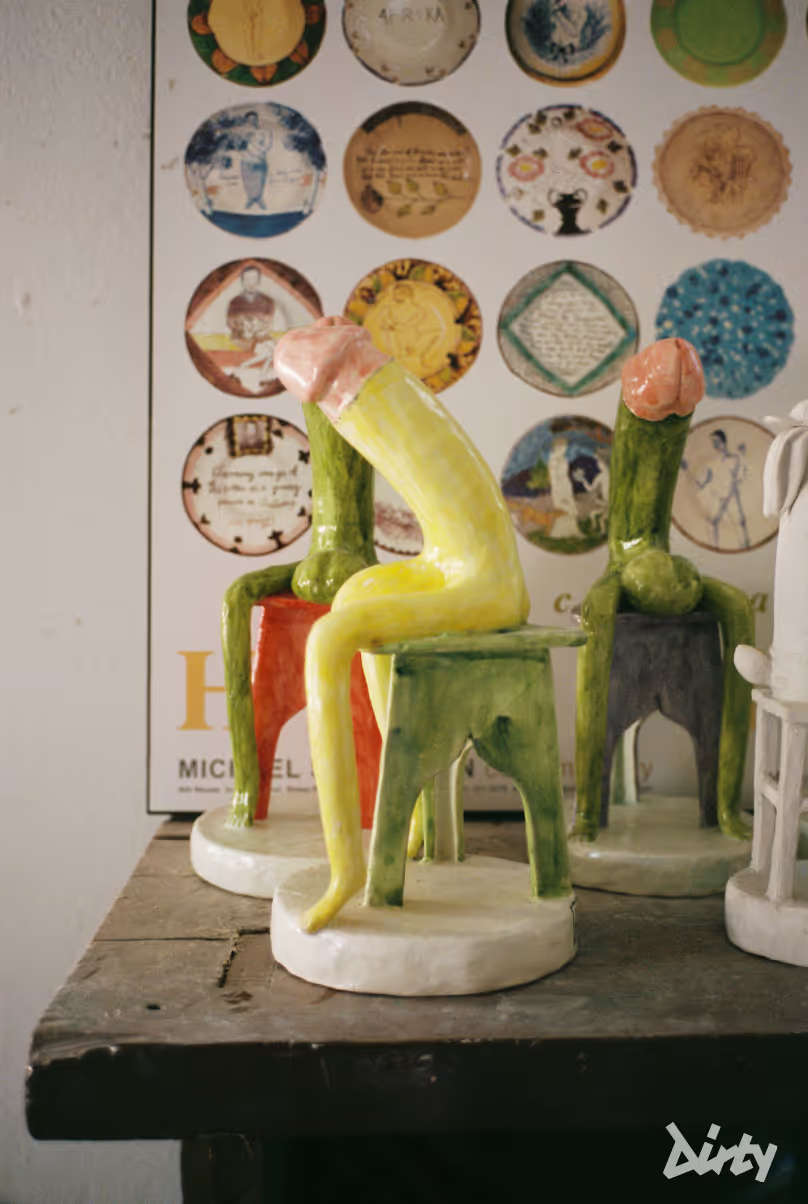
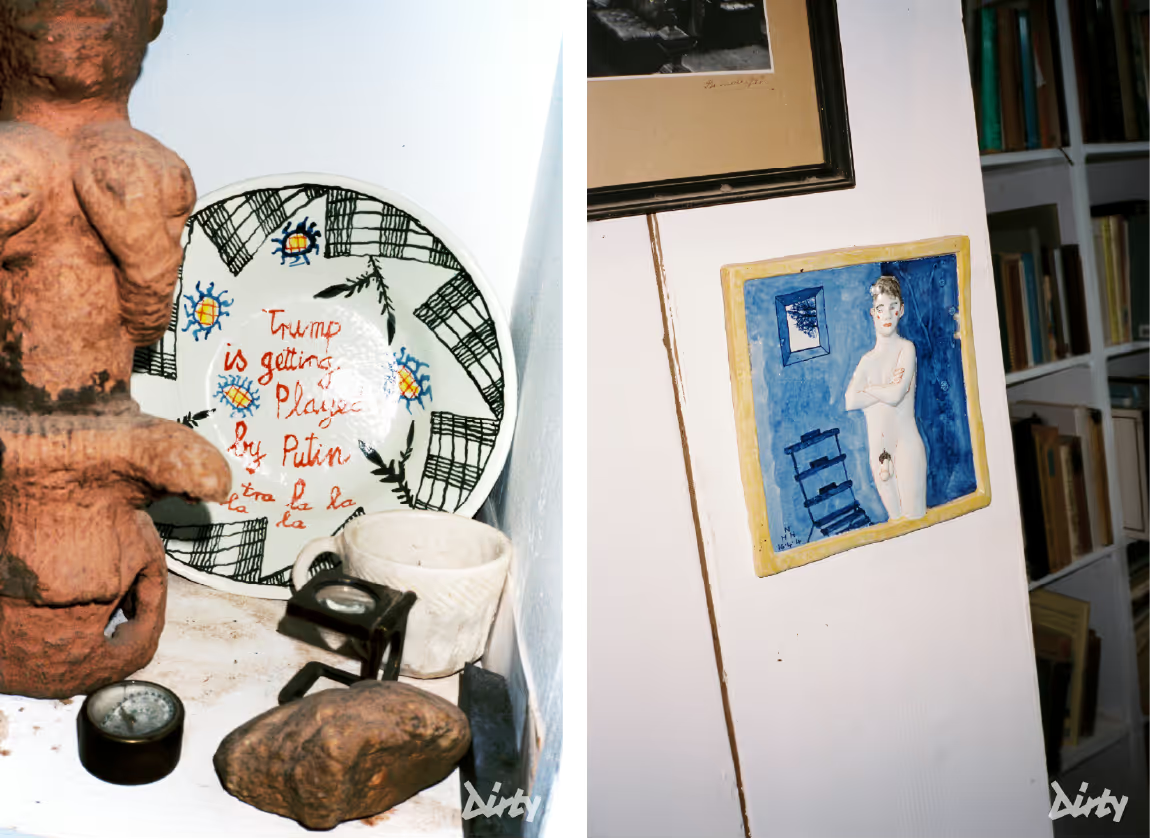
<h1 class="centre">His house, of course, is exactly what you hope it would be. Dense, strange, poetic. Shelves filled with plates hand painted with recurring symbols and scenes. Some are delicate and floral. Others stop you in your tracks: a nude figure with the face of a cat, stylised outlines of men in quiet erotic tension. “What I am trying to communicate,” he says, “is art which can hold the polarities of being harder and political, or homoerotic, but can easily also be very soft and escapist.”</h1>
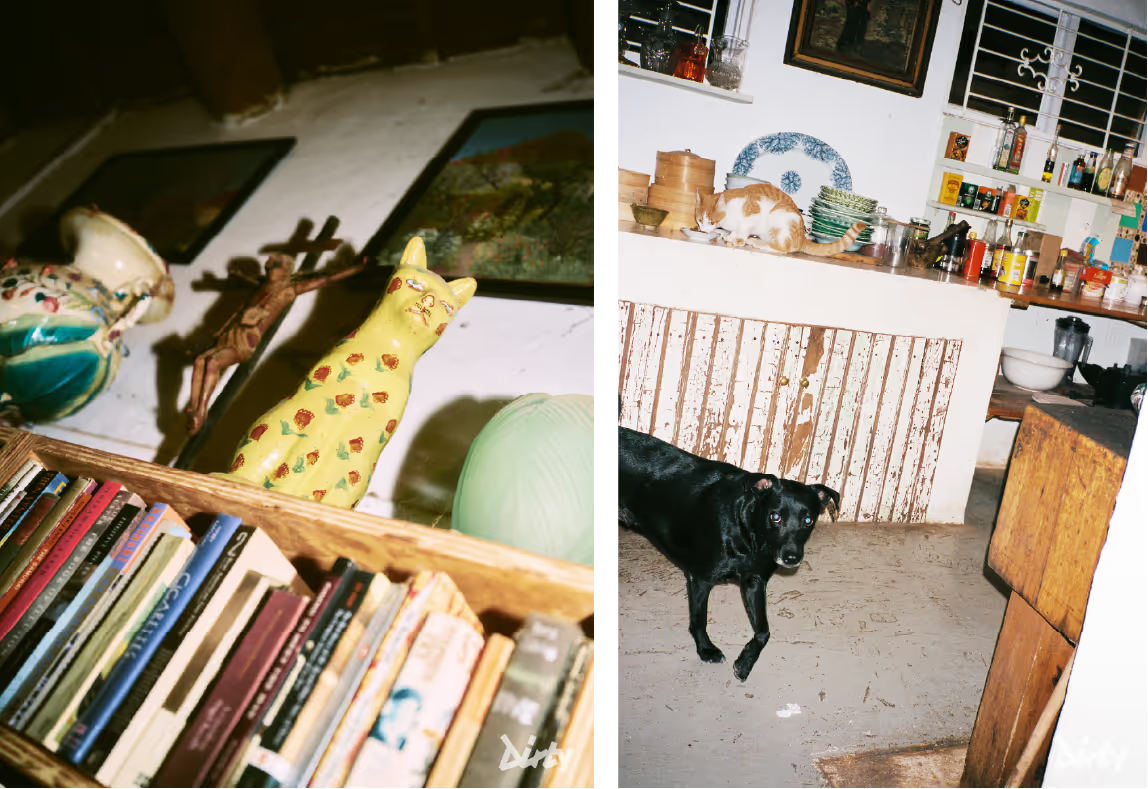
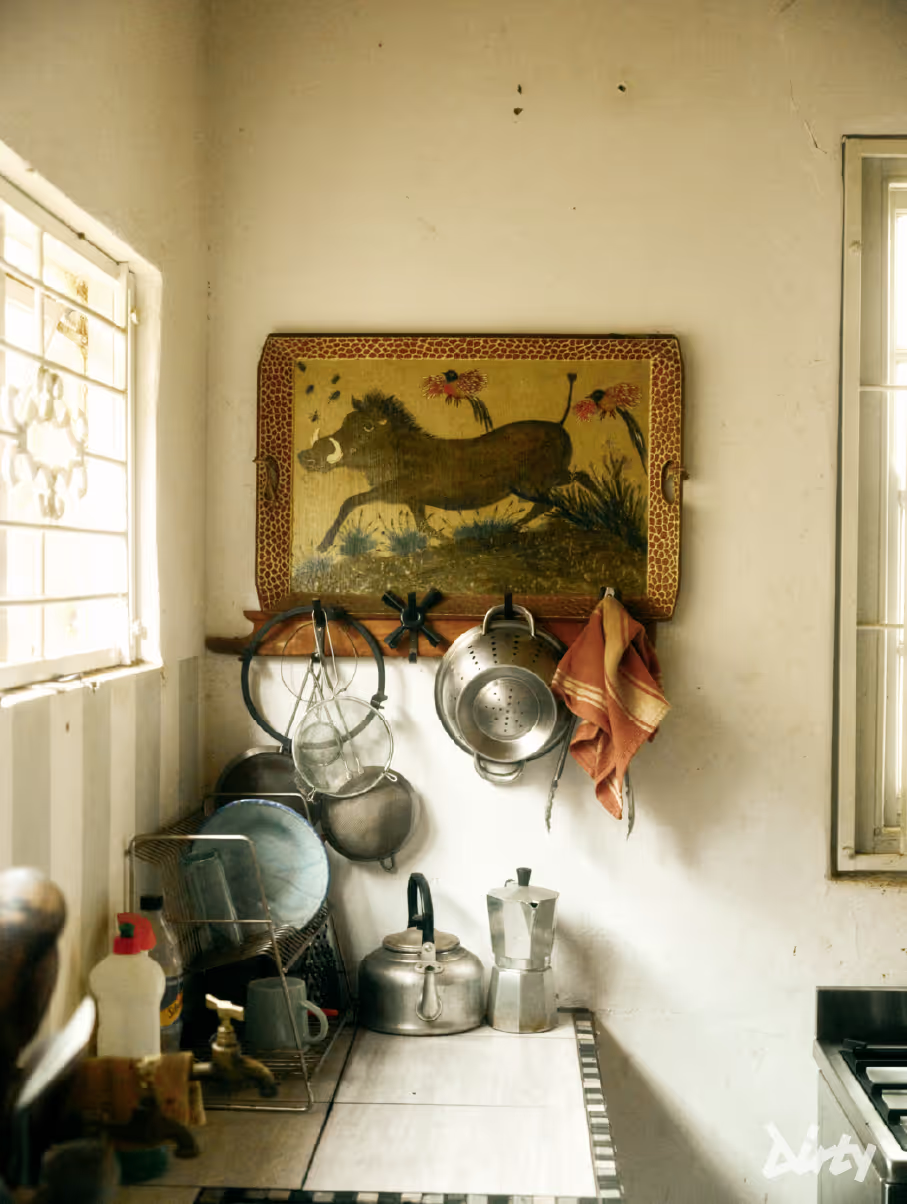
<h1 class="right">His home is neither minimalist nor chaotic. It is not designed in the way people design things now. It is layered. Lived in. Thoughtful without appearing deliberate. Plates line wooden dressers. Shelves are crowded with small sculptures, ceramic cats, carved figures, porcelain bowls. A resting Buddha above a doorframe. Twin pink vases guarding a cupboard of celadon and stone. The objects feel like characters in their own quiet story.</h1>
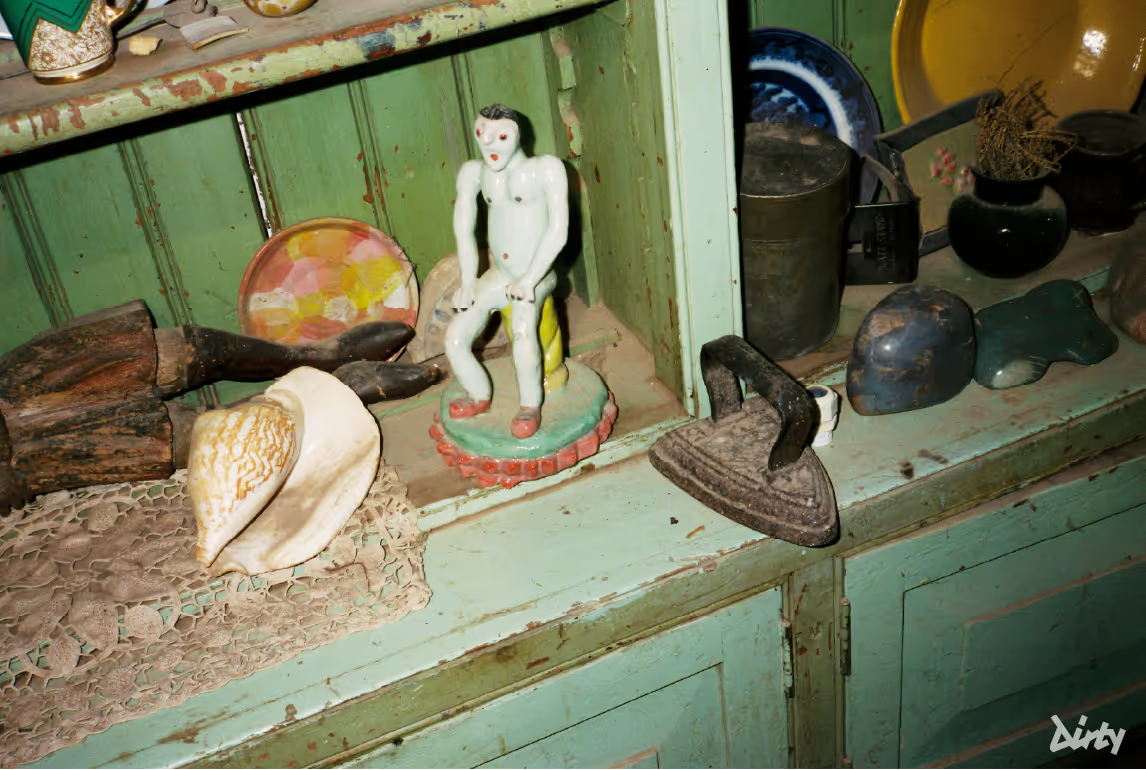
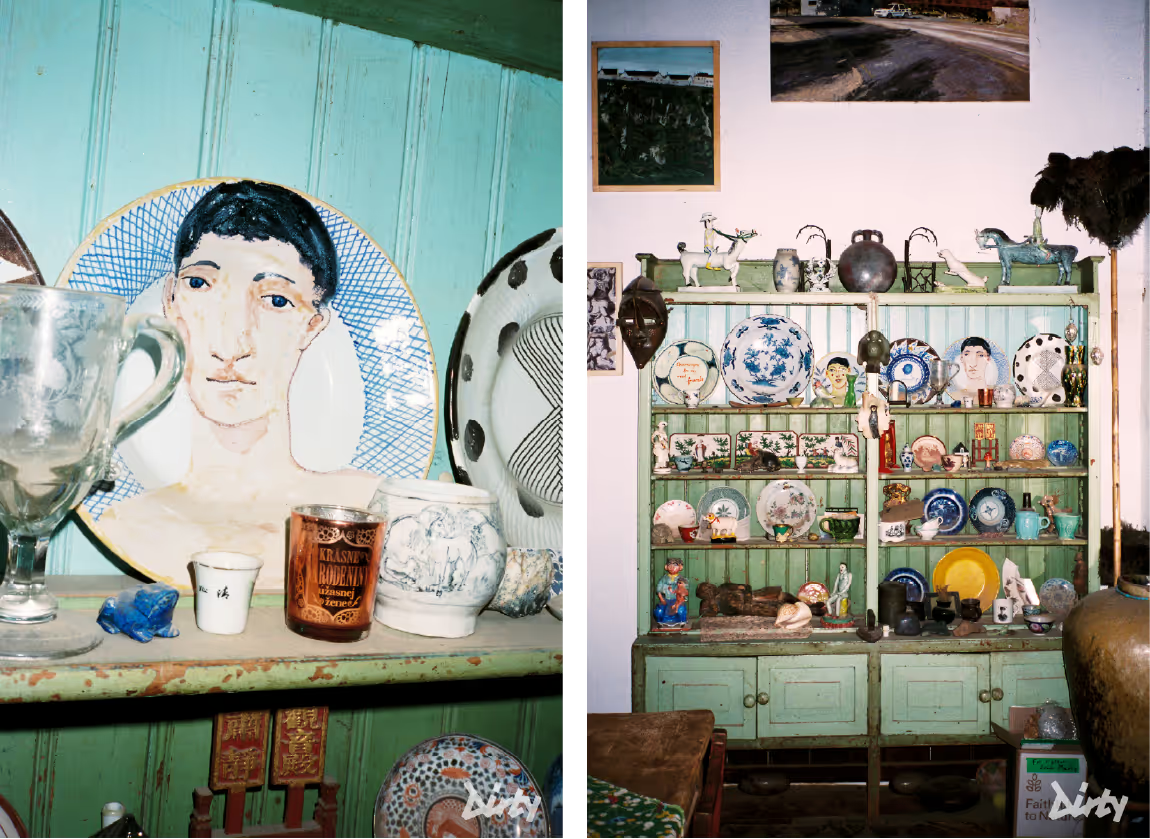
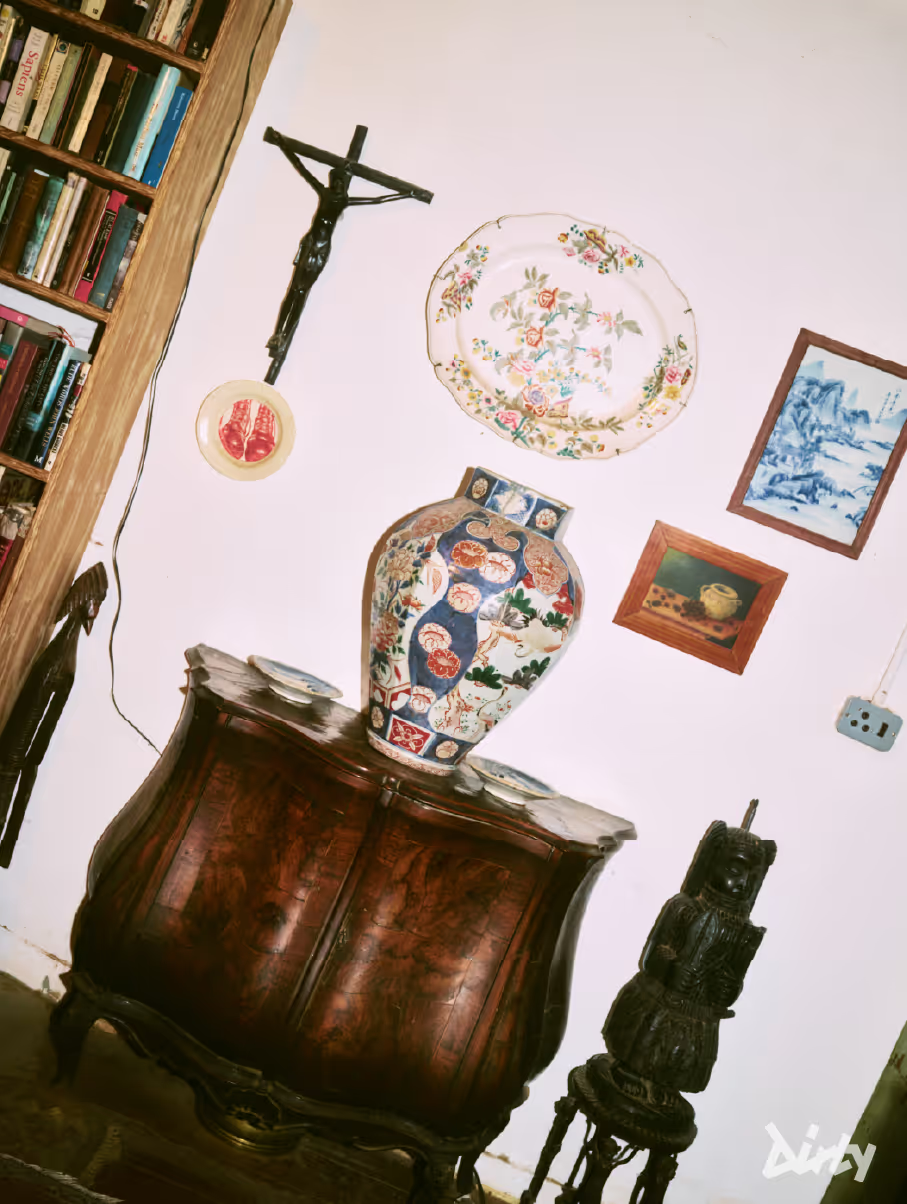
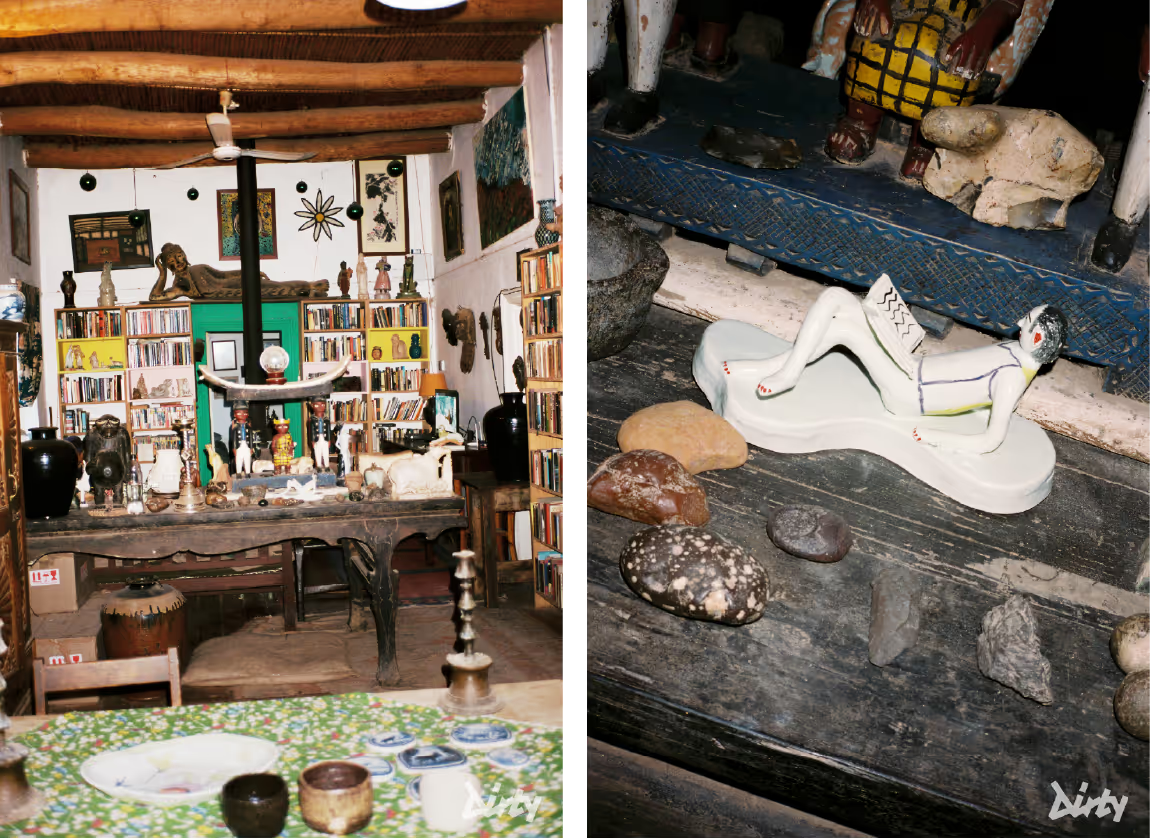
<h1 class="left">“I just like them and like to put them around me,” he explains. “The house is decorated just as one would decorate a garden so that you can walk about and look at this and look at that. That gives me pleasure.” And it does feel like a garden. Not pruned or planned. Grown slowly. Everything has found its place over time. A pistachio green painted cabinet, beautifully aged with small nicks and scrapes, holds blue and white porcelain, figurines, animal sculptures and odd bits that make sense only to him. Books spill from every shelf, tucked behind doors and under tables.</h1>
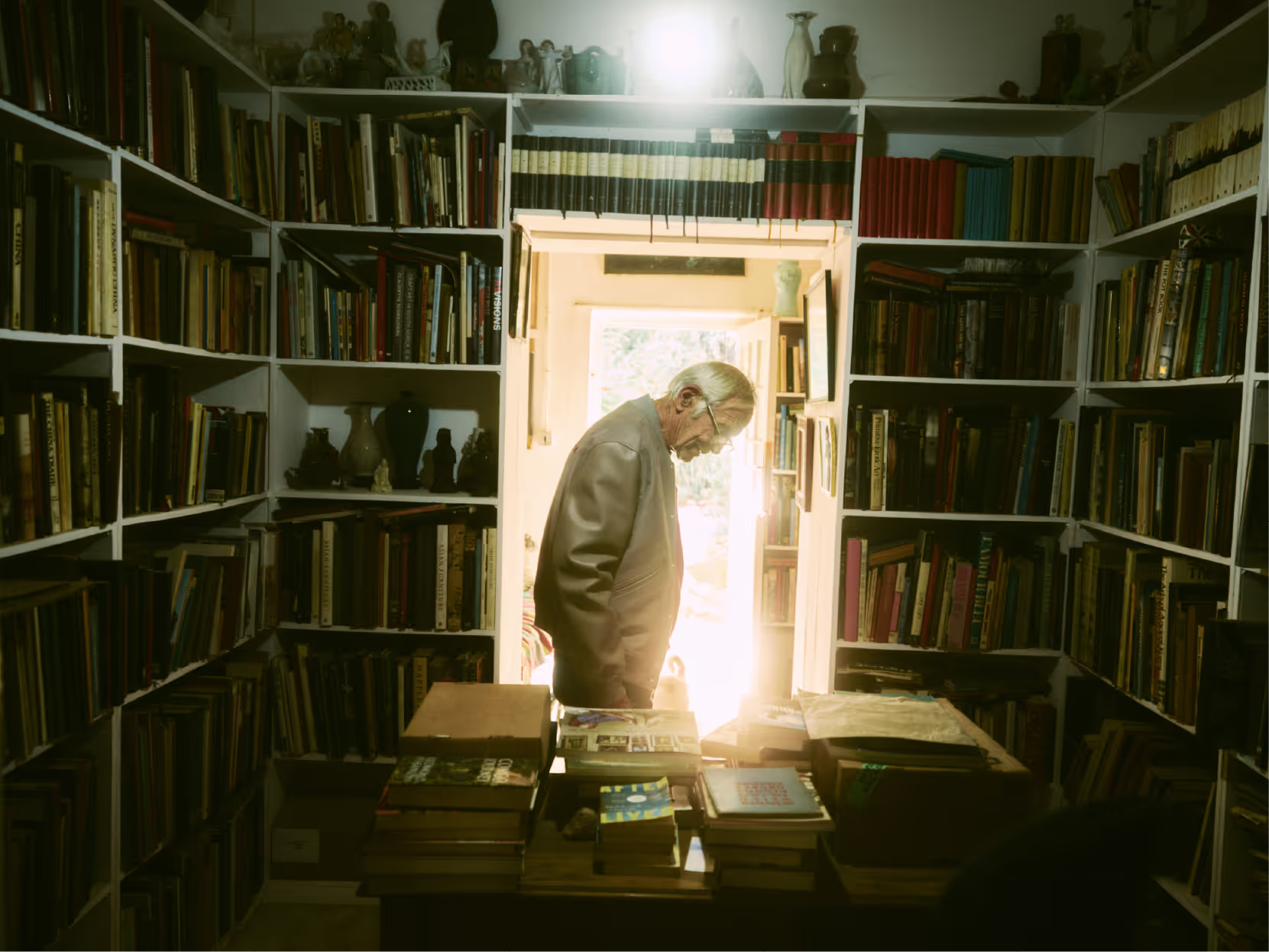
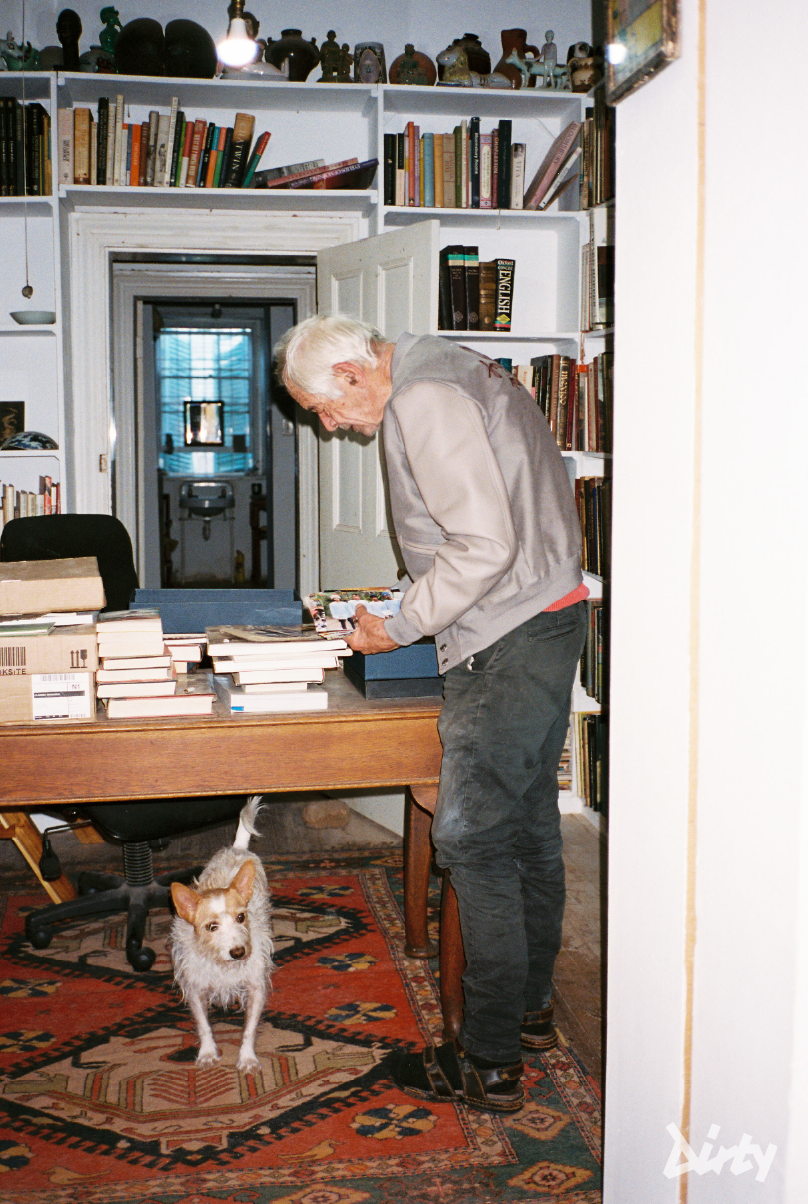
<h1 class="centre">When he walks Arvin the photographer through his home, he points out moments of his life captured in framed photographs, art, objects with pride. In one of Arvin’s captures, he is hunched over a table, leafing through a stack of books, while a small terrier stands under the table, quietly observing.</h1>
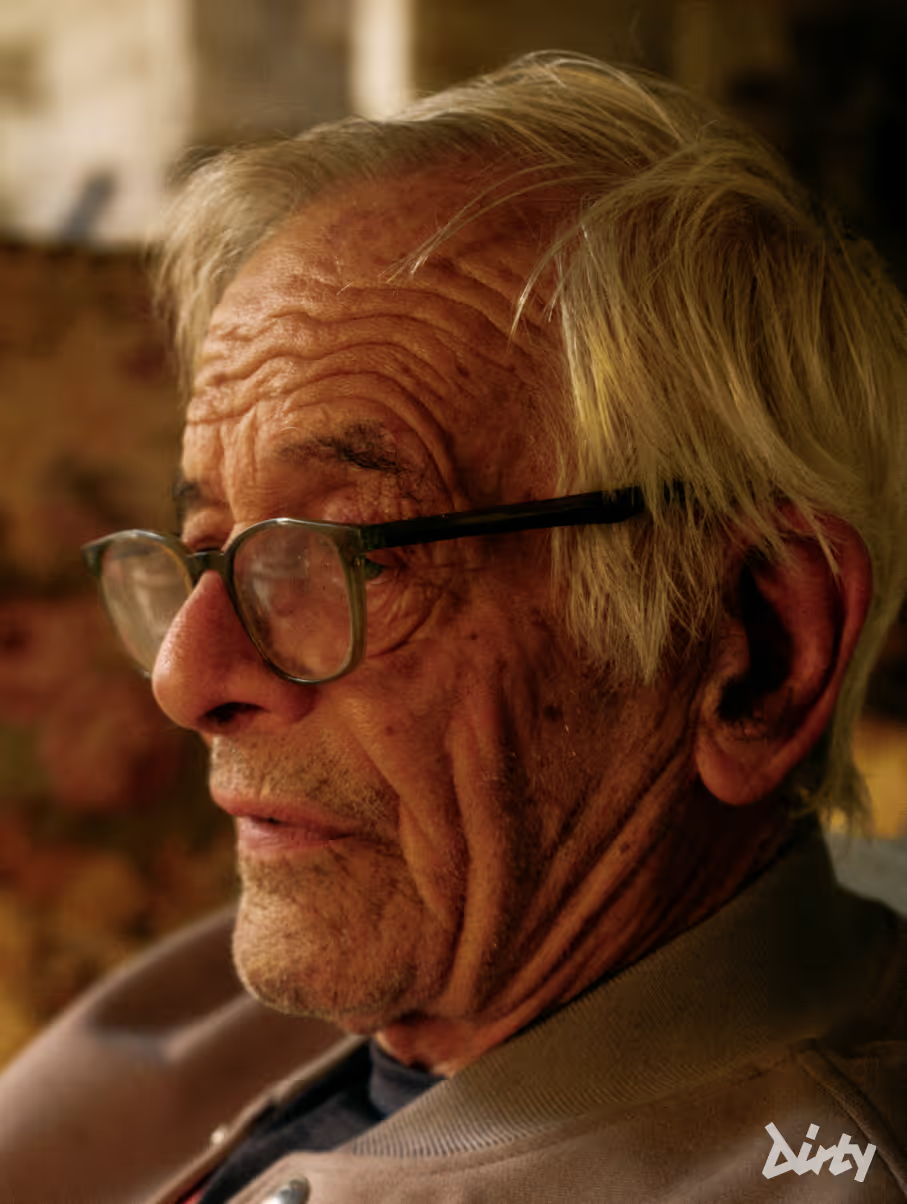
<h1 class="left">He is known, of course, for his ceramics. Cats appear again and again: strange, sometimes sweet, sometimes unsettling. “Human beings can be very in your face,” he says. “And so you use animals to convey your message.” His work repeats certain elements, especially the felines. “I look at it as though ploughing a furrow,” he says, “and ploughing it deeper and deeper. It does not always have to be something new.” There is something almost romantic in that sentiment—a devotion to depth rather than novelty.</h1>
<h1 class="left">He cares more about how something feels than how it is perceived. “When I pick up these objects I am interested in where it comes from, when it is made, what it is made of, the shape of it. All those things come into it,” he says. “And simply whether I like it. If I have money enough in my pocket at the time to acquire it, then I do it.”</h1>
<h1 class="left">There is a small piece of jade he keeps in his pocket. “Because it fits in the hand,” he says. “It is pleasant to touch and nice to look at.”</h1>
<h1 class="centre">Animals drift through the house the same way light does, softly, naturally, without claiming attention. “I like all animals,” he says. They appear constantly in his work like observers, mirrors, quiet spirits.</h1>
<h1 class="centre">And then there are the books. Thousands of them. Literature, art history, ceramics, mythology. “There are lots of books about the different subjects that interest me,” he says. “And so the story of them, I guess, is in there.” Their spines are worn stacked deep into shelves like roots of the house.</h1>
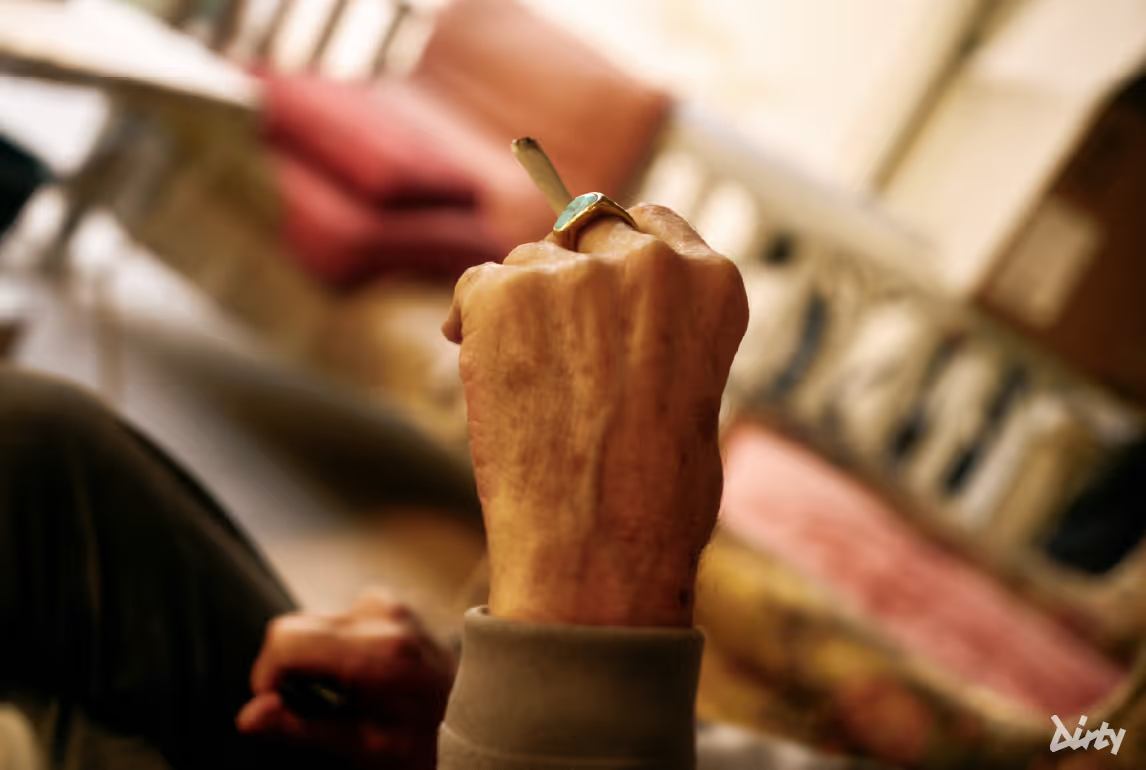
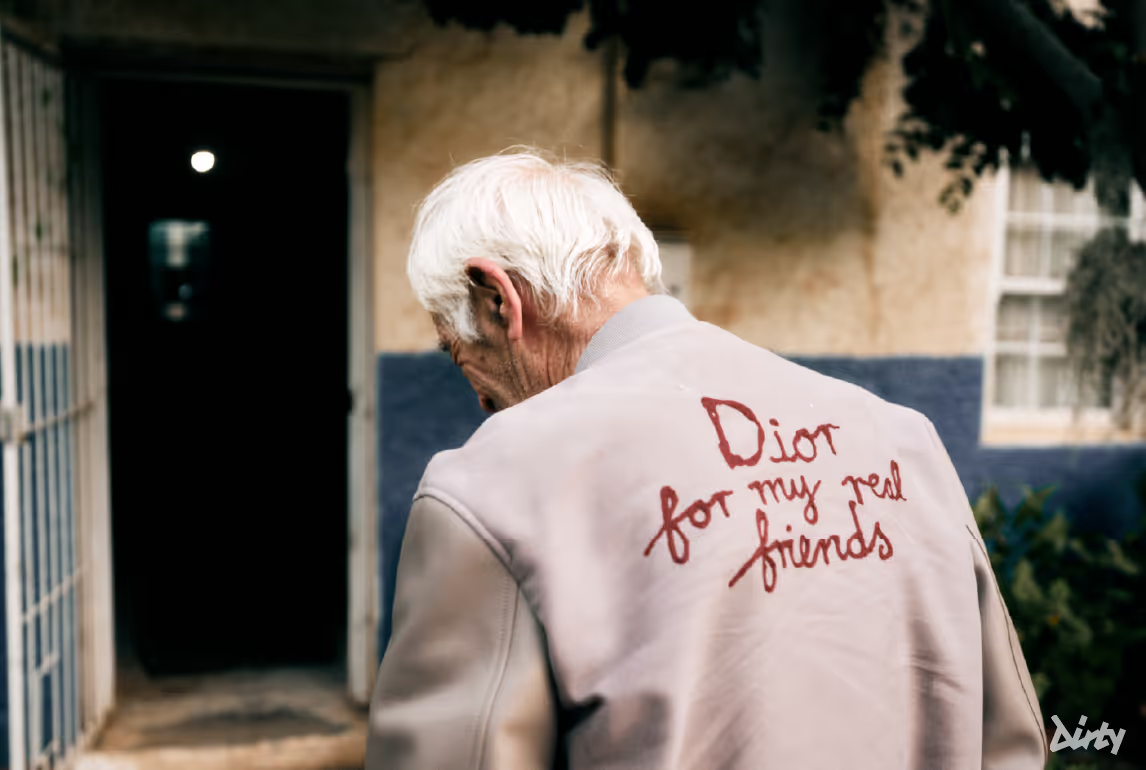
<h1 class="left">When asked what the best part of the day is, he does not hesitate. “When the day is over. To sit down with a little drink or smoke is my favourite part.” There is something artful in the way he lives. Slow, simple, full of feeling. His life and his work are inseparable. Both layered, both tactile.</h1>
<h1 class="full">In the quiet town of Calitzdorp, tucked deep in the Karoo, lives Hylton Nel. At 83, he moves slowly. His days unfold without the buzz of notifications or the pull of schedules. His routine starts with “getting up slowly in the morning,” he says. “I am old now, so I work very slowly.” There is something tender in the way he says it, because slowness is not a limitation but a choice he has earned.</h1>
<h1 class="full">The interview arrives on paper. Hylton does not use WhatsApp. He does not email. His neighbour sat with him, read the questions aloud and recorded his voice. The gesture feels almost old world, intimate, like a reminder that some conversations deserve to be held rather than typed. Already, it feels like a metaphor for the man himself, analogue, unhurried, thoughtful.</h1>
<h1 class="full">His quiet world has always been its own kind of universe, but in 2024 it met the global stage. Kim Jones invited him into the house of Dior Men for the Spring Summer 2025 show in Paris. His signature cat figures were transformed into monumental sculptures that shaped the entire set, rising around the runway like guardians from his imagination. Motifs from his plates—cats, dogs, delicate scribbles—slipped into knitwear, brooches and accessory details. Jones spoke of visiting Hylton in Calitzdorp, of being moved by the vast Karoo sky and the layered intimacy of his home. That feeling made its way onto the Paris runway, quietly and unmistakably.</h1>
<h1 class="full">His house, of course, is exactly what you hope it would be. Dense, strange, poetic. Shelves filled with plates hand painted with recurring symbols and scenes. Some are delicate and floral. Others stop you in your tracks: a nude figure with the face of a cat, stylised outlines of men in quiet erotic tension. “What I am trying to communicate,” he says, “is art which can hold the polarities of being harder and political, or homoerotic, but can easily also be very soft and escapist.”</h1>
<h1 class="full">His home is neither minimalist nor chaotic. It is not designed in the way people design things now. It is layered. Lived in. Thoughtful without appearing deliberate. Plates line wooden dressers. Shelves are crowded with small sculptures, ceramic cats, carved figures, porcelain bowls. A resting Buddha above a doorframe. Twin pink vases guarding a cupboard of celadon and stone. The objects feel like characters in their own quiet story.</h1>
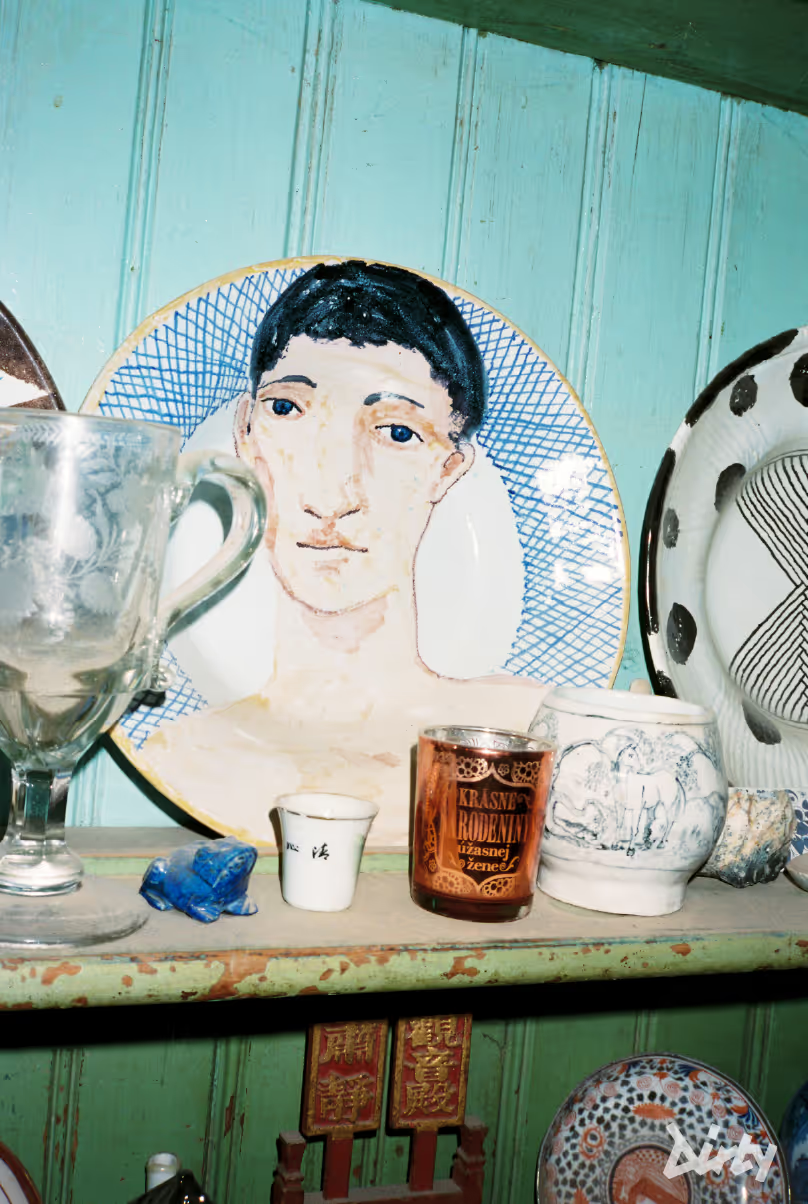
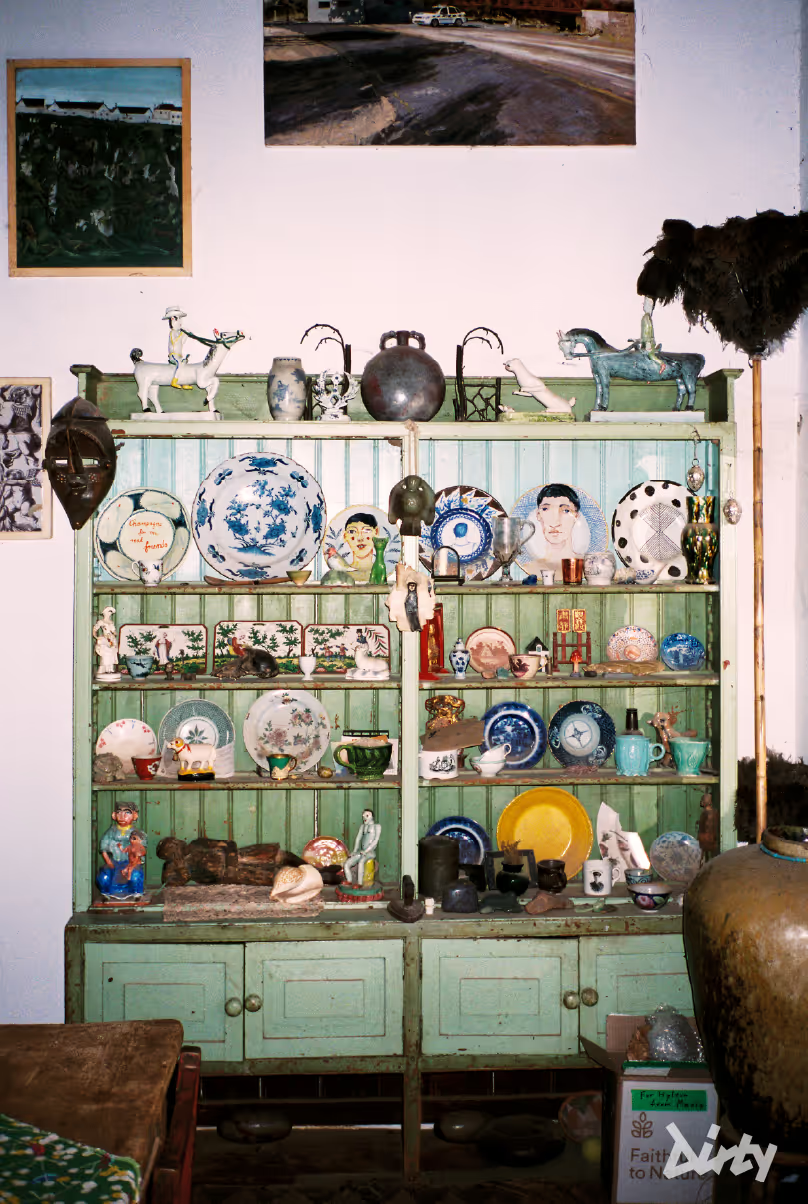
<h1 class="full">“I just like them and like to put them around me,” he explains. “The house is decorated just as one would decorate a garden so that you can walk about and look at this and look at that. That gives me pleasure.” And it does feel like a garden. Not pruned or planned. Grown slowly. Everything has found its place over time. A pistachio green painted cabinet, beautifully aged with small nicks and scrapes, holds blue and white porcelain, figurines, animal sculptures and odd bits that make sense only to him. Books spill from every shelf, tucked behind doors and under tables.</h1>
<h1 class="full">When he walks Arvin the photographer through his home, he points out moments of his life captured in framed photographs, art, objects with pride. In one of Arvin’s captures, he is hunched over a table, leafing through a stack of books, while a small terrier stands under the table, quietly observing.</h1>
<h1 class="full">He is known, of course, for his ceramics. Cats appear again and again: strange, sometimes sweet, sometimes unsettling. “Human beings can be very in your face,” he says. “And so you use animals to convey your message.” His work repeats certain elements, especially the felines. “I look at it as though ploughing a furrow,” he says, “and ploughing it deeper and deeper. It does not always have to be something new.” There is something almost romantic in that sentiment—a devotion to depth rather than novelty.</h1>
<h1 class="full">He cares more about how something feels than how it is perceived. “When I pick up these objects I am interested in where it comes from, when it is made, what it is made of, the shape of it. All those things come into it,” he says. “And simply whether I like it. If I have money enough in my pocket at the time to acquire it, then I do it.”</h1>
<h1 class="full">There is a small piece of jade he keeps in his pocket. “Because it fits in the hand,” he says. “It is pleasant to touch and nice to look at.”</h1>
<h1 class="full">Animals drift through the house the same way light does, softly, naturally, without claiming attention. “I like all animals,” he says. They appear constantly in his work like observers, mirrors, quiet spirits.</h1>
<h1 class="full">And then there are the books. Thousands of them. Literature, art history, ceramics, mythology. “There are lots of books about the different subjects that interest me,” he says. “And so the story of them, I guess, is in there.” Their spines are worn stacked deep into shelves like roots of the house.</h1>
<h1 class="full">When asked what the best part of the day is, he does not hesitate. “When the day is over. To sit down with a little drink or smoke is my favourite part.” There is something artful in the way he lives. Slow, simple, full of feeling. His life and his work are inseparable. Both layered, both tactile.</h1>